
 Tiếng Việt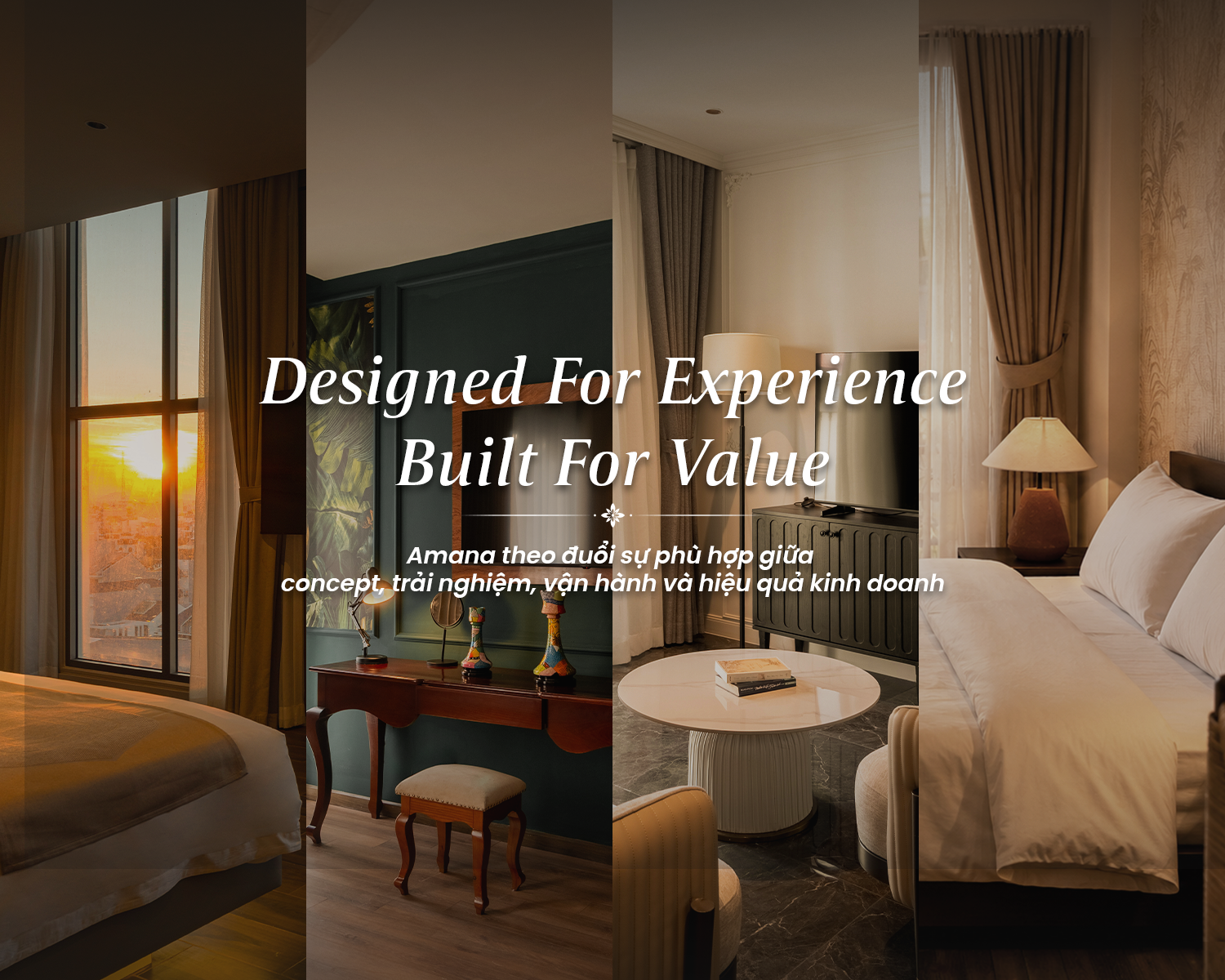
In hospitality, the gap between an appealing concept on paper and a product that operates effectively in practice can be significant.
-
A beautiful design that is difficult to clean can place additional pressure on the housekeeping team.
-
An attractive amenity that guests rarely use may become an unnecessary operating expense.
-
A well-designed room type that does not align with market demand may struggle to achieve the expected commercial results.
For this reason, hospitality development must be approached from both perspectives: development strategy and operational reality.
Operations help validate initial assumptions
Once a hotel begins operating, real-world data starts answering questions that the original plan could not fully address.
-
Which room types do guests choose most often?
-
What is the average length of stay?
-
What aspects create guest satisfaction?
-
Which areas generate the most frequent feedback?
-
Which sales channels attract the most suitable guests?
These insights allow businesses to continue refining their products instead of treating the opening day as the moment a project is “complete”.
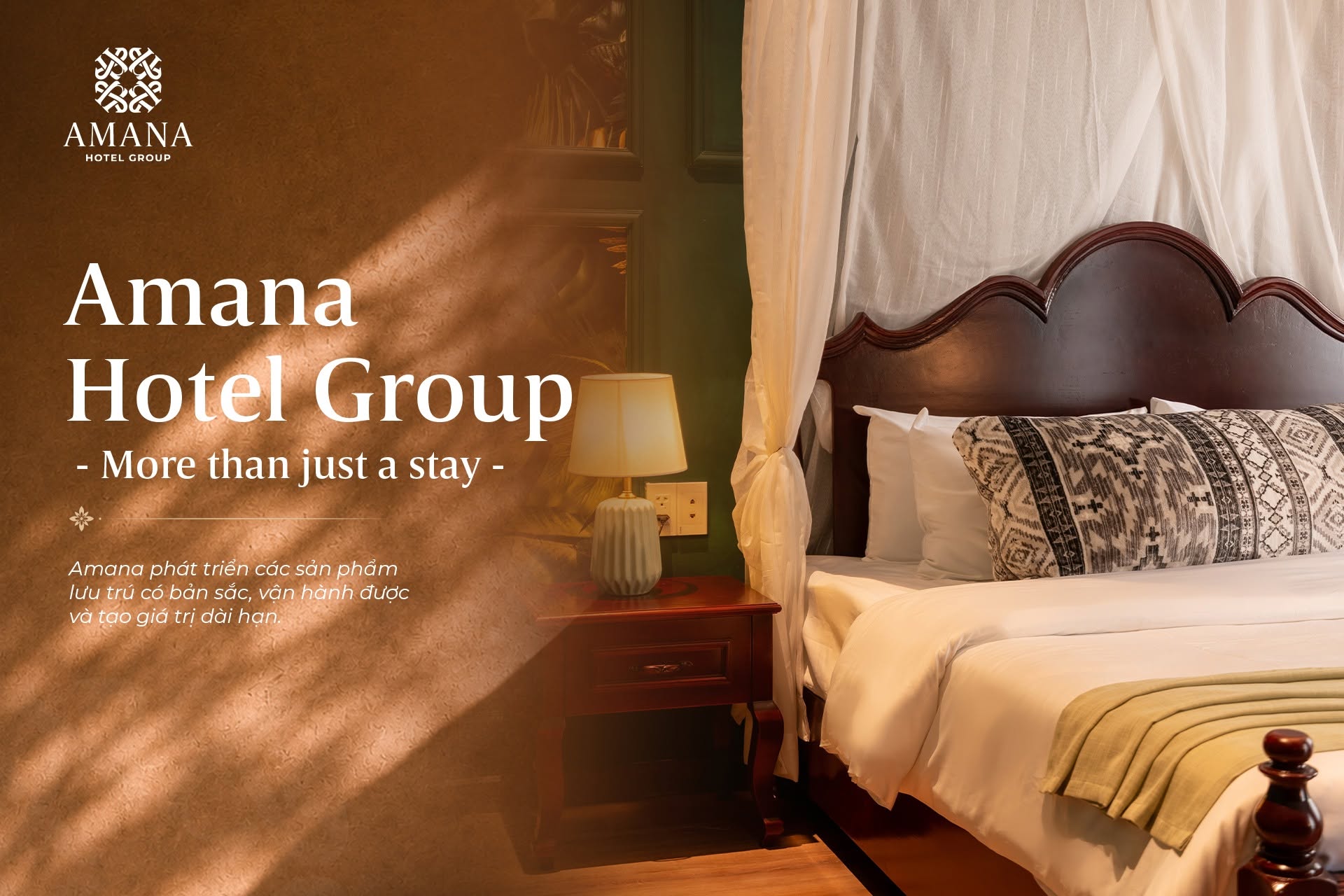
Amana Hotel Group – operational capabilities within the Satis Group ecosystem
Satis Group considers proven operational capabilities through Amana Hotel Group to be one of its core business foundations.
Across different hospitality models, decisions related to products, guest experiences, marketing, and revenue can be tested directly through daily operations.
This creates a continuous cycle:
Development → Operations → Measurement → Adjustment → Optimisation.
Through this cycle, experience no longer exists only in documents—it gradually becomes a practical organisational capability.
Great hospitality is not only well designed. It must also be operated well, every day.